Housing, Opportunity, Programs and Empowerment (HOPE)
Program Description
Memphis HOPE (Housing Opportunity Programs and Empowerment) is a City of Memphis residential rehabilitation and neighborhood improvement initiative administered by the Division of Housing and Community Development (HCD). The program is designed to help eligible homeowners and renters address needed home repairs, improve accessibility, and make approved exterior improvements in designated HOPE Zones.
The program responds to a need across Memphis neighborhoods: aging homes, deteriorating building systems, costly repairs, and accessibility barriers can put residents’ health and safety at risk and contribute to housing deterioration and displacement. By investing in existing homes, the City aims to preserve housing, help residents remain in their communities, and support neighborhood stability and revitalization.
Memphis HOPE Phase I has an estimated budget of $2 million, supported by Targeted Local Funds from the City of Memphis General Fund or other lawfully available City funds. The funding is subject to the applicable budget approval and appropriation process. The program reflects a local investment in preserving Memphis’ existing housing stock and improving conditions in designated neighborhoods.
Eligible properties may receive up to $25,000 in assistance through a zero-interest, deferred, three-year forgivable loan. The program serves households earning up to 120% of the Area Median Income (AMI), including both homeowners and renters. Eligible households must be located in the designated Zone 1.
Program Service Area – HOPE Zone Map
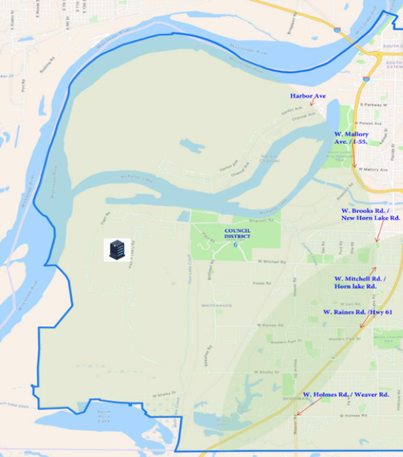
Zone 1 Eligibility Checker
Enter your address to receive a fast preliminary benefits decision.
Your address is within the required radius for Zone 1.
Services you may be eligible for
- Home Repair Assistance
- Cooling and Air Quality Device Distribution
- Paid Community Cleanup Workforce Program
- Memphis City Beautiful Volunteer Cleanup
- Demolition and Board-Up
- Removal of Litter/Debris/Illegal Dumping
- Public Safety and Community-Based Grants
- Environmental Monitoring and Reporting
- Environmental Education
Your address is outside the required radius for Zone 1.
- Get information regarding the ordinance
- Reapply if your address changes in the future.
Eligibility Requirements
To qualify for Memphis HOPE assistance, applicants and their properties must meet the following requirements:
Property Location
- The property must be located within a designated HOPE Zone 1.
Household Income
- Household income must not exceed 120% of Area Median Income (AMI).
- This requirement applies equally to homeowners and renters.
- For rental properties, eligibility is determined using the tenant household’s income.
FY 2026 Annual Household Income Limits – 120% AMI
Household Size | Maximum Annual Household Income (120% AMI) |
1 Person | $77,850 |
2 Persons | $89,000 |
3 Persons | $100,100 |
4 Persons | $111,250 |
5 Persons | $120,150 |
6 Persons | $129,050 |
7 Persons | $137,950* |
8 Persons | $146,850* |
*Relative to area median family income, $92,700, effective date, May 1, 2026
Primary Residence
- The property must serve as the primary residence of the homeowner or tenant receiving assistance.
Ownership and Rental Requirements
- Homeowners must legally own and occupy the property.
- Property owners must have owned the property for at least 12 months.
- Renters may qualify with written authorization from the property owner or landlord.
- Landlords must agree to the program’s applicable rehabilitation, loan, and three-year rental affordability requirements.
Additional Property Requirements
Property owners must:
- Be current on applicable City and County property taxes or have an approved payment arrangement.
- Be current on mortgage obligations, where applicable.
- Maintain applicable homeowner’s or property insurance.
- Have applicable utility accounts current or subject to an approved payment arrangement.
Property Access and Condition
- Applicants must allow interior and exterior property inspections, photographic documentation, and access for approved rehabilitation work.
- Properties must be reasonably accessible and free of excessive debris, trash accumulation, animal waste, or unsafe environmental conditions that would prevent inspections or construction. Identified conditions must be corrected within 30 days, as directed by HCD.
Click here for a list of the documents you will need
Click here to find a form that you may need to fill out
Eligible Assistance
Memphis HOPE provides assistance in three primary categories. The improvements listed below are examples of potentially eligible activities. All proposed work must be evaluated and approved by HCD following a property inspection.
A. Health and Safety Repairs
Repairs intended to correct hazardous conditions, address deteriorating building components, and maintain safe and habitable homes.
Examples include:
- Roof repairs and replacement of damaged roofing materials.
- Electrical repairs, including unsafe wiring, outlets, and electrical panels.
- Plumbing repairs, including leaking pipes and damaged fixtures.
- Heating, ventilation, and air-conditioning (HVAC) repairs.
- Structural repairs to floors, ceilings, walls, stairs, and foundations.
- Mold remediation and correction of moisture or water intrusion.
- Window repairs or replacement.
- Smoke and carbon monoxide detectors.
- Fire safety improvements.
- Door and lock repairs.
- Bathroom and stairway safety improvements.
- Ventilation and indoor air quality improvements.
B. Accessibility Improvements
Modifications designed to remove physical barriers, improve mobility, and help residents live more safely and independently.
Examples include:
- Installation of wheelchair ramps.
- Handrails and grab bars in bathrooms, hallways, and stairways.
- Widening doorways to accommodate wheelchairs and mobility devices.
- Accessible bathrooms, including walk-in or roll-in showers.
- Accessible kitchen modifications.
- Safer and more accessible home entrances.
- Walkway improvements to reduce trip hazards.
- Accessible door handles and hardware.
- Improved exterior lighting around entrances and walkways.
- Accessible residential parking modifications.
- Threshold modifications to improve movement between rooms.
C. Beautification and Façade Improvements
Exterior improvements intended to enhance residential property appearance, address visible deterioration, and contribute to neighborhood revitalization.
Examples include:
- Landscaping, including trees, shrubs, flowers, and garden beds.
- Exterior painting of siding, trim, shutters, doors, and porches.
- Front door and entryway improvements.
- Porch and outdoor lighting.
- Approved decorative fencing, gates, and privacy screens.
- Walkways, patios, retaining walls, and other approved hardscaping.
- Window and shutter improvements.
- Roof and gutter repairs or replacement.
Important: Eligible improvements may include work from more than one category, provided the total approved assistance does not exceed $25,000 per property.
All rehabilitation activities are subject to property inspections, an approved Scope of Work, available funding, applicable building codes, and City requirements. Work must be completed by qualified contractors authorized through the City’s program procurement process.
Structure of the Aid
Memphis HOPE assistance: is provided through a 0% interest, deferred, three-year forgivable loan.
This structure allows eligible residents to receive necessary home improvements without having to make immediate loan payments.
How does it work?
- Maximum assistance: Up to $25,000 per eligible property, based on approved rehabilitation costs and available program funding.
- Interest rate: 0%.
- Payment: Deferred during the applicable compliance period.
- Forgiveness: The loan is forgivable upon successful completion of the three years compliance period and satisfaction of all applicable program requirements.
- Compliance period: Three years for both owner-occupied and eligible rental properties.
A lien and applicable loan documents will be executed as part of the assistance agreement.
Additional Requirements for Rental Properties
For properties occupied by eligible renters:
- Household income eligibility is determined using the tenant’s income.
- The property owner or landlord must authorize the rehabilitation work and execute the required program agreements.
- The property owner is responsible for any repayment obligations under the rehabilitation loan agreement. Tenants are not responsible for repayment of the landlord’s loan.
- The landlord must comply with the program’s applicable maximum rent limits and affordability requirements for three years.
- Rent adjustments are permitted during the compliance period as long as they do not exceed the applicable maximum rent limits.
MEMPHIS HOPE Frequently Asked Questions
About the program
Memphis HOPE is a residential rehabilitation and neighborhood improvement program administered by the City of Memphis Division of Housing and Community Development (HCD). It helps eligible households address needed home repairs, accessibility needs, and approved exterior improvements.
Eligible homeowners and renter households may apply. Homeowners must own and occupy the property as their primary residence. For a rental property, the tenant household must meet the program’s income and occupancy requirements, and the property owner or landlord must authorize the work and agree to the program requirements.
For Phase I, the property must be located in HOPE Zone 1 and within the City of Memphis. Properties in other zones are not eligible for this application round. Check the address using the Zone 1 eligibility checker before applying. HCD will verify the property’s location during application review.
The Phase I application period is November 16 through November 25, 2026. Online applications open November 16 at 8:00 a.m. and close November 25 at 11:59 p.m. In person applications only by appointment, please call (901) 636-7354 for scheduling. Staff can help applicants upload documents.
The HOPE application phone line is (901) 636-7354. In-person assistance is available by appointment at Westwood Community Center during the scheduled support dates. Applicants should contact the program to confirm appointment and location details.
Eligibility
Household income must be at or below 120% of Area Median Income (AMI), based on household size. This income limit applies to both homeowner and renter households. For rental properties, HCD uses the tenant household’s income to determine income eligibility.
The homeowner must legally own and occupy the property as a primary residence. The property owner must have owned the property for at least 12 months, be current on applicable City and County property taxes or have an approved payment arrangement, be current on mortgage obligations where applicable, maintain applicable property insurance, and meet the program’s utility-account requirements.
The tenant household must occupy the property as its primary residence and meet the income limit. The property owner or landlord must have owned the property for at least 12 months, provide written permission for inspections and rehabilitation work, provide ownership and other required documents, and sign the required program, loan, lien, and rental compliance agreements. The owner is responsible for obligations under the rehabilitation loan; tenants are not responsible for repaying the owner’s loan.
Yes. The guidelines require applicable utility accounts to be current or subject to an approved payment arrangement. Utility bills may also be used to help verify that the property is the applicant’s primary residence. The application checklist requests two months of recent utility bills.
Repairs and assistance
Eligible work may include health and safety repairs (such as roofing, plumbing, electrical, heating and cooling, structural, window, and door repairs); accessibility improvements (such as ramps, grab bars, handrails, and accessible bathroom features); and approved exterior or façade improvements. The guidelines list examples but do not limit eligible work to those examples.
HCD will inspect the property and prepare a Scope of Work identifying eligible repairs. The work must be approved by HCD, fit program requirements and available funding, and be performed by qualified contractors. Applicants should not assume that every requested repair will be approved.
Eligible properties may receive up to $25,000 in assistance. The actual amount depends on the approved Scope of Work, eligible costs, and available program funding.
Funding is provided as a 0% interest, deferred forgivable loan with a 3-year compliance period. Applicants and property owners must sign the required loan and lien documents. The loan is subject to the program’s compliance requirements and the terms of the executed agreements.
The program uses qualified contractors and a City-managed process. HCD prepares and approves the Scope of Work, obtains project-specific cost proposals or bids, and selects contractors under applicable City procurement requirements. There is no cash payment directly to applicants.
The number of homes assisted will depend on eligible applications, approved repair scopes, actual project costs, contractor capacity, available funding, and program resources. The budget and production figures in the program materials are preliminary planning estimates, not a guarantee of assistance.
Rental properties and affordability
For an assisted rental property, the property owner or landlord receives the rehabilitation assistance through the loan arrangement and signs the required agreements. The tenant household’s income is used to determine eligibility. Tenants are not responsible for repaying the property owner’s rehabilitation loan.
Yes. The guidelines include a proposed maximum monthly rent schedule by unit size for assisted rental units. The proposed amounts are: studio, $910; one bedroom, $990; two bedrooms, $1,080; three bedrooms, $1,430; and four bedrooms, $1,640. These limits are proposed and remain subject to HCD Compliance and Legal review and final program adoption. The applicable adopted rent limits must be followed during the affordability period.
The rental affordability period is three years. Under the guidelines, it begins on the effective date of the executed agreement under which the property owner contracts with the City to receive program services or assistance. The agreement identifies the assisted property or unit, rent limits, monitoring requirements, and remedies for noncompliance.
Rent may increase during the three-year period, provided the rent does not exceed the applicable maximum rent limit established by the program for the assisted unit size.
Review, approval, and completion
No. Applications are subject to eligibility verification, property inspection, an approved Scope of Work, funding availability, and final approval by HCD.
HCD reviews the application and supporting documents, verifies eligibility, and notifies applicants in writing. Applications may be approved or denied. Approved properties proceed through inspection and Scope of Work development, contractor bidding and selection, rehabilitation, inspections, and project closeout.
The repair timeline varies depending on the type and complexity of the approved work, contractor availability, and project requirements. HCD will coordinate the process and conduct inspections during and after the work as needed.
Assisted properties are subject to a 3-year compliance period under the deferred forgivable loan and lien documents. Homeowners must meet the applicable owner-occupancy and program requirements. For assisted rental units, property owners must comply with the applicable rent limits and rental agreement requirements. The executed agreements explain the obligations that apply to each property.
The City will process loan forgiveness and lien release after the 3-year compliance period has been successfully completed and all applicable program requirements have been satisfied, in accordance with the signed agreements and legal documents.
Important information
Program assistance is limited by available funding and is subject to HCD review, property inspection, an approved Scope of Work, and final program approval. Budget allocations, estimated repair costs, and production targets are internal planning matters and are not guarantees of assistance.
Contact / application assistance: HOPE application phone line: (901) 636-7354. Confirm appointment and location details with HCD.
- HOPE FORMS