Dr. Peggy Jemison Bodine
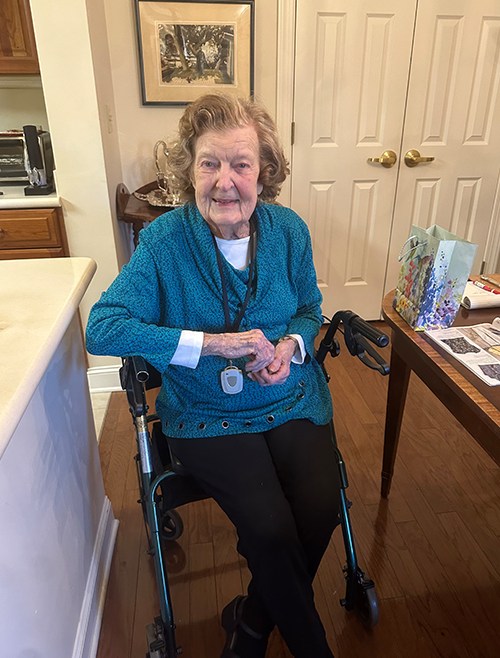
Dr. Peggy Jemison Bodine
Born: July 11, 1925
Dr. Peggy Jemison Bodine raised three children in Memphis before returning to Memphis State University to pursue higher education. She earned her bachelor’s degree, then a master’s, and eventually a PhD, focusing her doctoral research on the evolving history of Memphis neighborhoods throughout the 20th century.
A dedicated civic leader, Peggy joined the Memphis Junior League in 1957 and later served as its president. During the 1960s—a time when Memphis lacked basic accessibility for people with disabilities—she led the Junior League Professionals Group in conducting one of the city’s first accessibility audits. Under her leadership, members meticulously measured doorways and documented locations lacking elevators, accessible restrooms, water fountains, and designated parking spaces.
In 1977, Dr. Jemison joined a research initiative sponsored by the Metropolitan Inter-Faith Association (MIFA) and the Tennessee Humanities Council. The project focused on documenting the histories of eight endangered Memphis neighborhoods. Over the course of four years, she conducted in-depth research that led to the publication of several important works, including:
-
A History of the Cooper-Young Neighborhood
-
Cherokee: A History of Change
-
Greenlaw Rediscovered: A History
-
Vollintine/Evergreen: A Diverse Community
Her research formed the foundation of the Peggy Jemison Neighborhood Collection, an invaluable resource for anyone studying Memphis’s urban history and community development. The collection covers the neighborhoods of Annesdale Park, Beale Street, Bethel-LaBelle, Cherokee, Cooper-Young, Greenlaw, Smokey City, South Main, and Vollintine-Evergreen.